Yamaha Jet Boat Manufacturing Production Team Leads Quality Transformation,
Strengthens Operations and Reduces Defects
A production-led team at Yamaha Jet Boat Manufacturing (YJBM) is driving a broader quality transformation by shifting ownership to the floor and aligning cross-functional teams around clear, measurable goals. Through a structured approach that connects production, quality, engineering and operations, the team greatly improved defect prevention, reduced operational waste and built a more consistent and efficient manufacturing process.
"This effort shows what happens when teams align around a shared objective and production takes ownership of quality outcomes," said Jeremy Owens, Assembly Manager. "By focusing on root causes and building solutions at the source, we created a system that improves both quality and overall performance."
The initiative began with clear signs that required action. Internal defects per unit trends showed recurring quality escapes inside the plant, while market claim data showed risk to customer satisfaction. Cosmetic defects, while not functional issues, impacted customer perceptions of product quality. In addition, boats on hold slowed production flow, tied up inventory and increased operational cost.
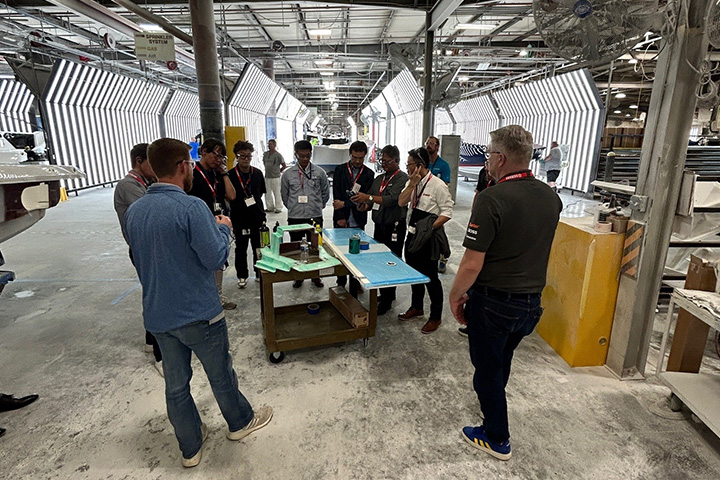
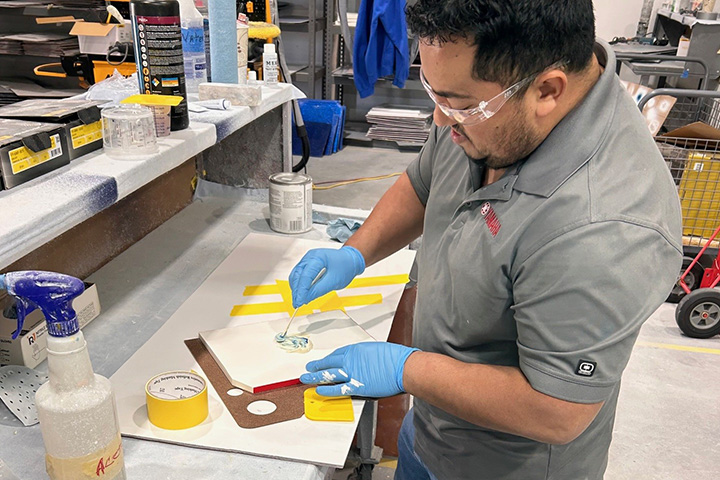
In response, leaders introduced a production-led cross-functional team model that places ownership with the teams closest to the work. Production support coordinated root-cause analysis, tracking key performance indicators and converting findings into standardized processes. Production associates on the floor played a key role in identifying and eliminating issues and improving how work gets done.
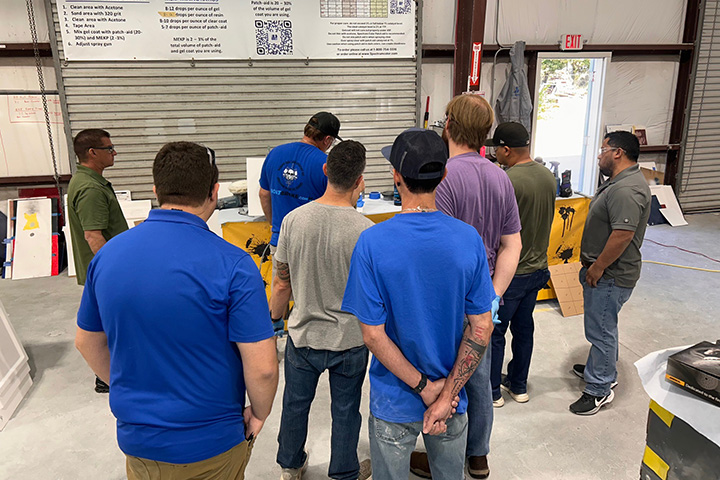
The team followed a disciplined operating model with a consistent cadence. Cross-functional teams met weekly, assigned clear ownership for actions and based decisions on data. Teams verified improvements before closing issues, which ensured accountability and results.
Early efforts focused on cosmetic quality, where customer perception plays a critical role. The team targeted visible defects, improved consistency across units and reduced repeated rework. As results improved, the team expanded the same approach to address manufacturing efficiency and cost.
Defect reduction directly improved performance across the operation. Fewer defects reduced rework, stabilized throughput and reduced labor waste. Standardized solutions improved first-pass performance and helped teams prevent issues at the source.
The team also reduced the number of boats on hold by accelerating decision-making and resolving issues faster. This improvement increased production flow, reduced work-in-process inventory and strengthened delivery confidence.
What began as a focused quality effort to reduce market claims, evolved into a broader continuous improvement platform. The production-led model now supports defect reduction, cost savings, process reliability and forward-looking improvements across the plant.
The measurable improvements to plant quality KPIs and market claims demonstrate a clear shift in how the organization approaches quality. By building ownership at the source and aligning teams around execution, the operation moved from reactive problem-solving to a repeatable system for continuous improvement.
Bob Starr, Yamaha Motor U.S.A. (YMUS)